Architecture of CanImmDB
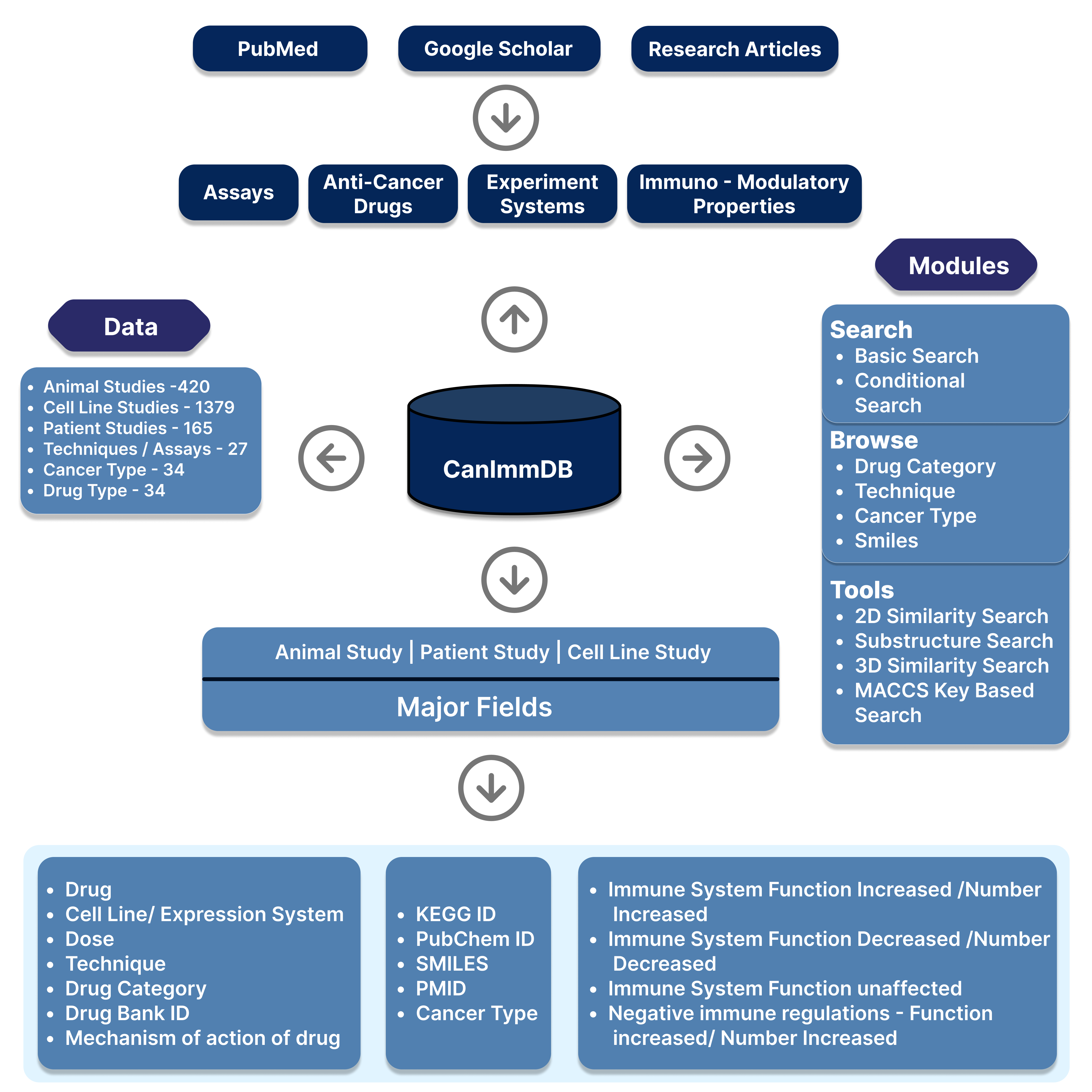
Brief Description of all the fields in CanImmDB
| Name of the Field | Description |
|---|---|
| Drug | This field gives the name of drug as mentioned in the research article. |
| Drug Category | This field gives the name of the category to which drug belongs. |
| Drugbank_Id | This field gives the id of given drug in the database Drug Bank. |
| Target/S Or Mechanism Of Action | This Field provides mechanism of action of drug. |
| Kegg Drug Id | This field gives the id of given drug in the database KEGG. |
| Drug_Pubchem | This field gives the id of given drug in the database Pubchem. |
| Str_Link (Smiles) | This field gives description of SMILES of drugs. The "Simplified Molecular Input Line Entry System," or SMILES, converts a chemical's three-dimensional structure into a sequence of symbols that computer programs can easily understand. |
| Pmid | This is the Pubmed ID of article from which information is curated. |
| Cell Line / System | This field provides the name of cell line on which experiment is performed. |
| Technique | This field provides the assay type used to study the anticancer activity of the drug. |
| Immune System-Function Enhanced/Numbers Increased | This field provides information on Immune components whose number or function increased as a result of drug treatment and resulted in increased anticancer Immunity. |
| Immune System-Function Inhibited/Numbers Decreased | This field provides information on Immune components whose number or function decreased as a result of drug treatment and resulted in decreased anticancer Immunity. |
| Immune Sytem Function Unaffected | This field gives the information about the incubation period. |
| Negative Immune Sytem Regulation-Function Enhanced/Numbers Increased | This Field provides information on Immune components whose number or function increased as a result of drug treatment and resulted in decreased anticancer Immunity. |
| Animal Strain Used | This field provides the Strain of Animal in which anticancer activity is tested in vivo. |
| Cell Line Used To Induce Tumor In Mice | This field provides the describes of cell line which is used to induce cancer in animals for anticancer studies of drug. |
| Patient_Sample | This field provides the Number of patient samples on which study is carried out. |
We appreciate the direct and indirect assistance that researchers provided in the creation of CanImmDB. We express our gratitude to the creators of the resources listed below.
| Resources | Description |
|---|---|
| Drugbank | A vast, publicly available online database with information on drugs and drug targets. |
| KEGG | A Databases with informations on genomes, biological pathways, diseases and Drugs. |
| Pubchem | Pubchem database is a chemical information database. |
| Pubmed | Pubmed is a resource which stores biomedical literature from MEDLINE, life science journals, and online books |
| PostgresSQL | PostgresSQL is employed as the database management system to handle all the back end data operations that includes storing, managing and retrieving data facilitating seamless data manipulation and querying in CanImmDB. |
| Python | Python programming language is employed for the backend processing and Python framework known as Django was used to connect the web interface with the database. All common Gateway interface and database interface scripts were written in Python. |
| HTML, CSS and Java | Front end of the web interface was developed using a combination of HTML, CSS and Java script. |
FAQs (Frequently asked questions)
Q1.What is CanIMMDB ?
Ans.CanIMMDB is a manually curated resource for studying the tumor specific anti tumor response of anticancer agents/Drugs. This Database provides information on Immune components whose number or function changed as a result of drug treatment..
Q2. What are anticancer drugs ?
Ans. Anticancer drugs, commonly referred to as antineoplastic or chemotherapeutic drugs, are compounds utilised to combat cancer by impeding the proliferation of malignant cells. These medications are specifically engineered to selectively attack and destroy cancer cells while minimising harm to healthy cells. However, the treatments' non-specific mechanism of action typically leads to considerable side effects, which are a cause for concern.
Q3.Why CanIMMDB database is created ?
Ans. Response of a patient to any anti-cancer therapy depends upon interaction of tumor microenvironment with drugs and subsequent immune-modulation-(both positive and negative). This immune-modulation may alter the immune associated parameters- cell types, phenotypes and function of host immune system (Coffelt et al, 2015). These immune associated parameters have prognostic value and can be an important predictive factor in the disease outcome and survival (Zitvogel et al, 2015). For example-CD16+ myeloid cell infiltration in colorectal cancer is associated with better overall survival even after adjusting for other prognostic factors (Sconocchia et al, 2011).Also, cytotoxic cell infiltration in Hodgkin’s lymphoma as a prognostic factor correlates with decreased overall survival (Alvaro-Naranjo et al, 2005). These immune associated parameters can be identified and clinically exploited for the therapeutic intervention in the form of personalized medicine. This is a effort for cataloguing the available information from research articles for studying immune system interaction with cancer drugs and identifying immune componets whose function/ number changed in response to drugs.
Q4. What is unique about this CanIMMDB resource ?
Ans. To the best of our knowledge, this is first dedicated web based computational resource for studying immune system interaction with cancer drugs & cataloguing the immunomodulation (by anticancer drugs) information in a structured way in different systems : Cell line, Animal and Patients. The resource's structured data can assist in creating more effective combinatorial treatment plans by examining the immunomodulatory properties of individual drugs. This resource has a tool by which a user having the SMILES information of a query compound, can perform various types of similarity searches against the SMILE information of drugs listed in this database. Drug listed in this resource is linked with Drug bank, KEGG and PubChem database which will provide comprehensive information on the available drugs listed in this database.This database also provides the available 3D structure of all the listed drugs.
Q5. Does this database catalogued all the available information from research articles for studying immune system interaction with cancer drugs and identifying immune components whose function/ number changed (Immunomodulation) in response to drug ?
Ans. The first round of curation produced this database, and in order to create an extensive library, further article are being constantly searched..
Q6. Whom do I contact if there is an error/discrepancy?
Ans. Please email us at parveenpunia1987@yahoo.in
Q7. Is this database useful if users have their own SMILE seq?
Ans. Yes. This resource has a tool by which a user having the SMILES information of a query compound, can perform various types of similarity searches against the SMILE information of drugs listed in this database.
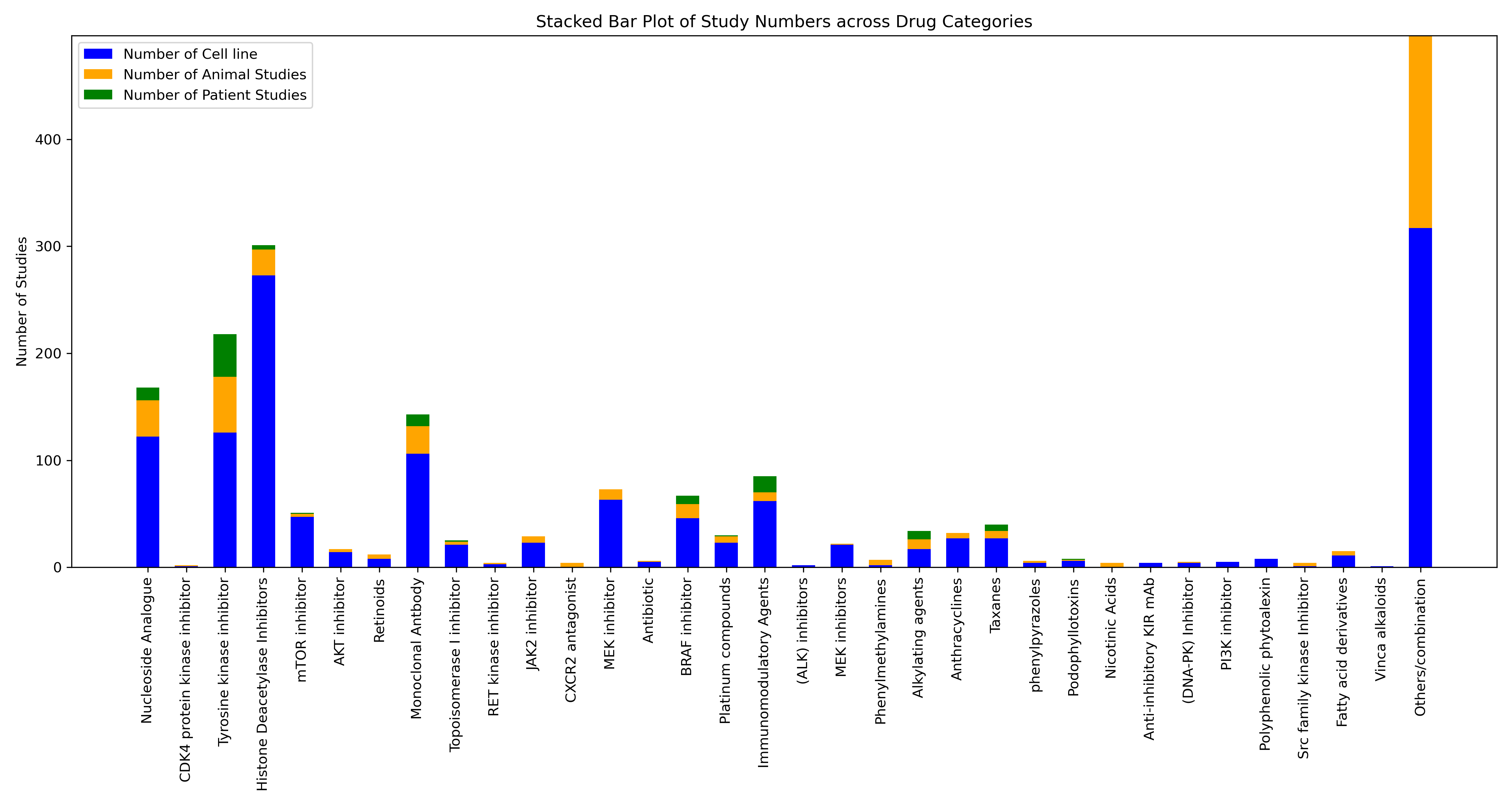
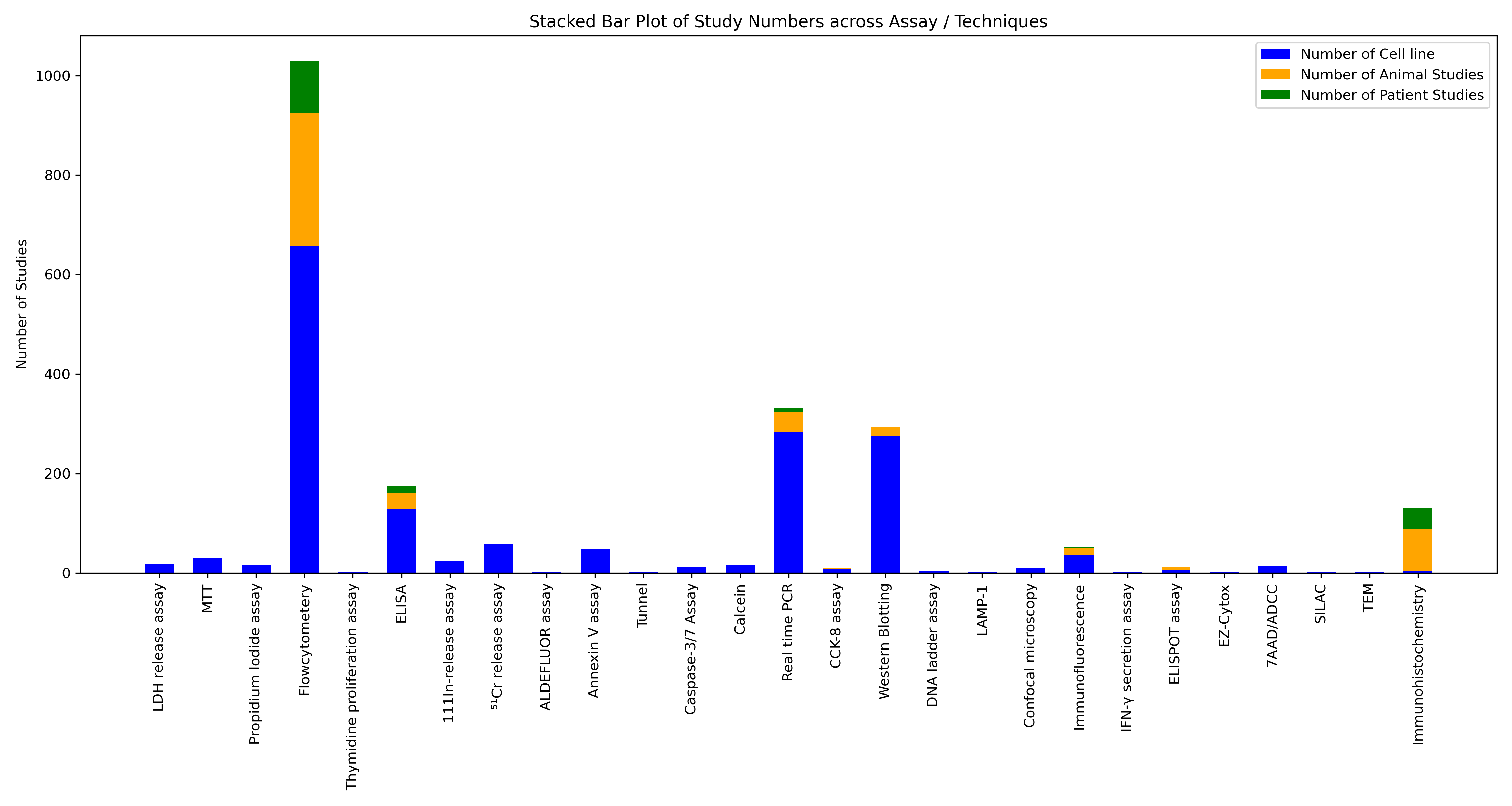
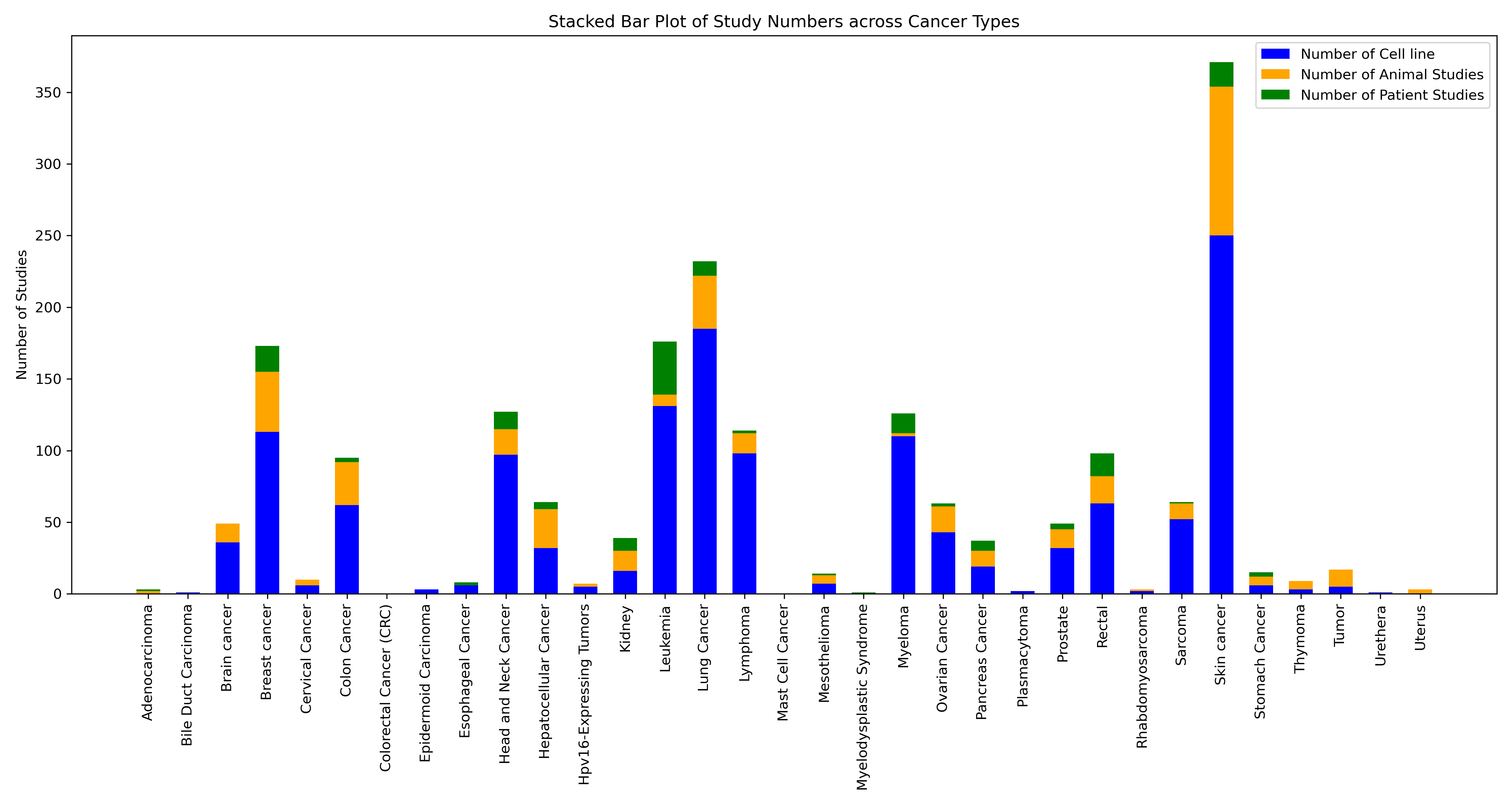
Statistical information about CanImmDB
Data Submission Page
This page allows users to submit their data, including information about an anticancer drug, to the database. All user-submitted entries will be evaluated by the team before being added to the database. For online submission, users need to provide the following information. For more details, see the HELP page.
Developers

Parveen Punia
Research Scholar,M.D University,Rohtak

Avinash Mishra
CEO,Growdea Technology,Gurugram

Plácido Rogério Pinheiro
Graduate Program in Applied Informatics, University of Fortaleza

Dr. Meenu Kalkal
Research Scientist,ICMR-NIMR

Dr. Ashish Khanna
Associate Professor, Maharaja Agarsain Institute of Technology, Delhi.

Akshat Jha,
Product Development Lead,Growdea Technology,Gurugram

Sonia Kapoor,
Professor,Department of Biotechnology, University Institute of Engineering and Technology, Maharshi Dayanand University, Rohtak

Salman Sadullah Usmani 1,2,
1Decode Life,Haryana,India 2 Albert Einstein College of Medicine,New York,USA
Address for Correspondence
This Database was developed by the Lab of Dr. Sonia, Professor, Department of Biotechnology, University Institute of Engineering and Technology,Maharshi Dayanand University, Rohtak
Dr. Sonia,
Professor,Department of Biotechnology,
University Institute of Engineering and Technology,
Maharshi Dayanand University, Rohtak
Feedback Form
Basic Search
Conditional Search
2D Similarity Search
3D Similarity Search
substructure similarity
MACCS_keys
Related Database content goes here.
Welcome to CanIMMDB
CanIMMDB is a manually curated resource which provides comprehensive information on immunomodulatory effects of anticancer drugs and antineoplastic agents. This database has compiled experimental verified information like antitumor and pro-tumor immunomodulation by anticancer drugs. This information of change in immune associated parameters has prognostic value and a thorough understanding of them can help create novel combinatorial regimens with enhanced clinical efficacy .The database's entries are connected to Pubchem, KEGG, Drugbank, and Pubmed. With several databases integrated into a single resource, users can browse vast information on a single platform.
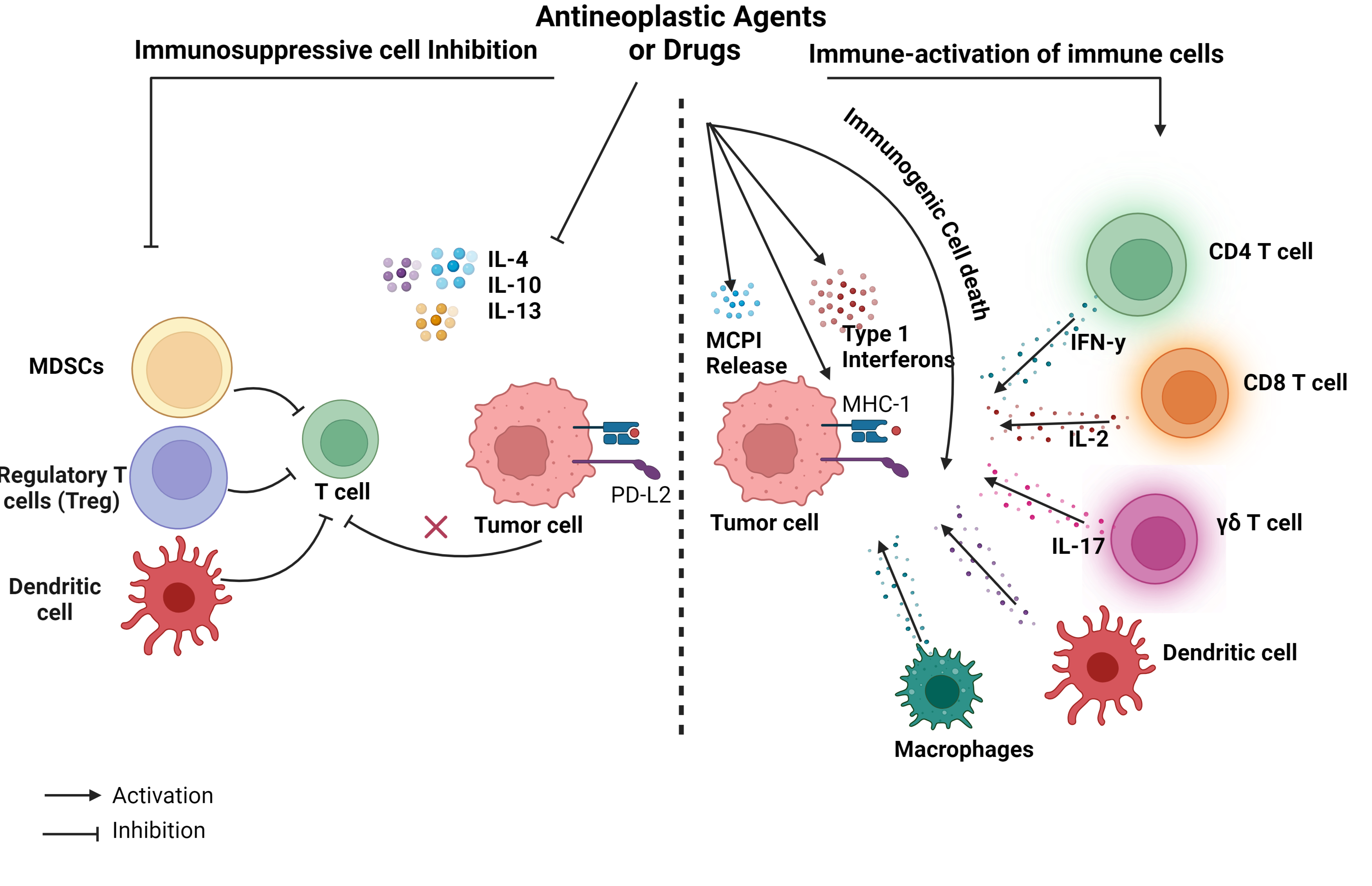
Immunomodulation by anticancer drugs/agents (figure 1)
Anticancer agents/drugs can alter immune associated parameters- cell types, phenotypes and function of the host immune system.The Mechanisms (figure 1) by which anticancer agents alter immune function include depleting immunosuppressive populations (both in circulation and tumor infiltrating) such as myeloid-derived suppressor cells (MDSCs) and Regulatory T cells. and downregulating PD-L2 mediated immunosuppression.These anticancer agents can trigger immunogenic cell death and antibody-dependent cellular cytotoxicity (ADCC). Anticancer agents induce various effector cell populations including tumor specific IL-17–producing γδ T cells , IFN-γ producing CD8 T cells, CD4+ T helper 17 (Th17), Natural killer cells, dendritic cells , macrophages and B cells. Anticancer agents suppress Protumor cytokines including IL-4, IL-10, and IL-13 and induce anti tumor immune response by releasing MCP-1, IFN-gamma, IL-17, Upregulating Class I and Class II MHC expression on tumor. In addition to these, many other mechanisms are cataloged in this database.
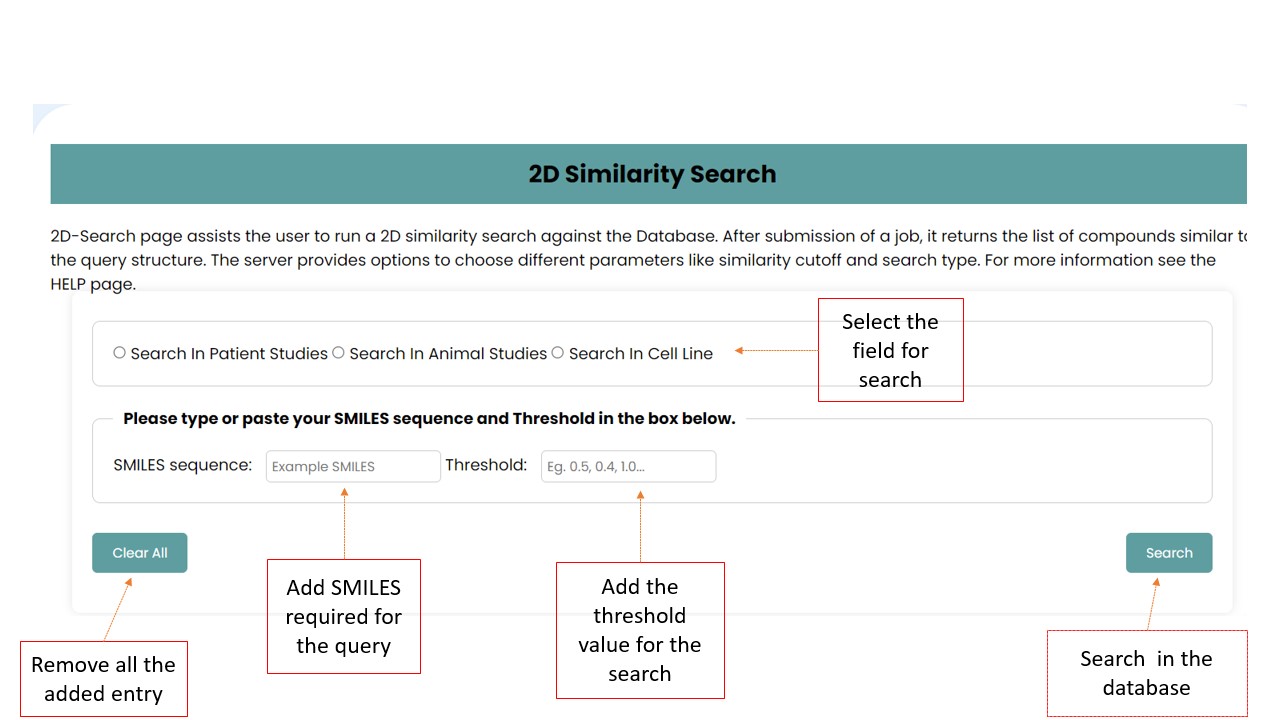
2D Similarity Search
The 2D Search page assists users in running a 2D similarity search against the database. After submitting a job, it returns a list of compounds similar to the query structure. The server provides options to select different parameters, such as similarity cutoff and search type. For more information, see the HELP page.
Search Results
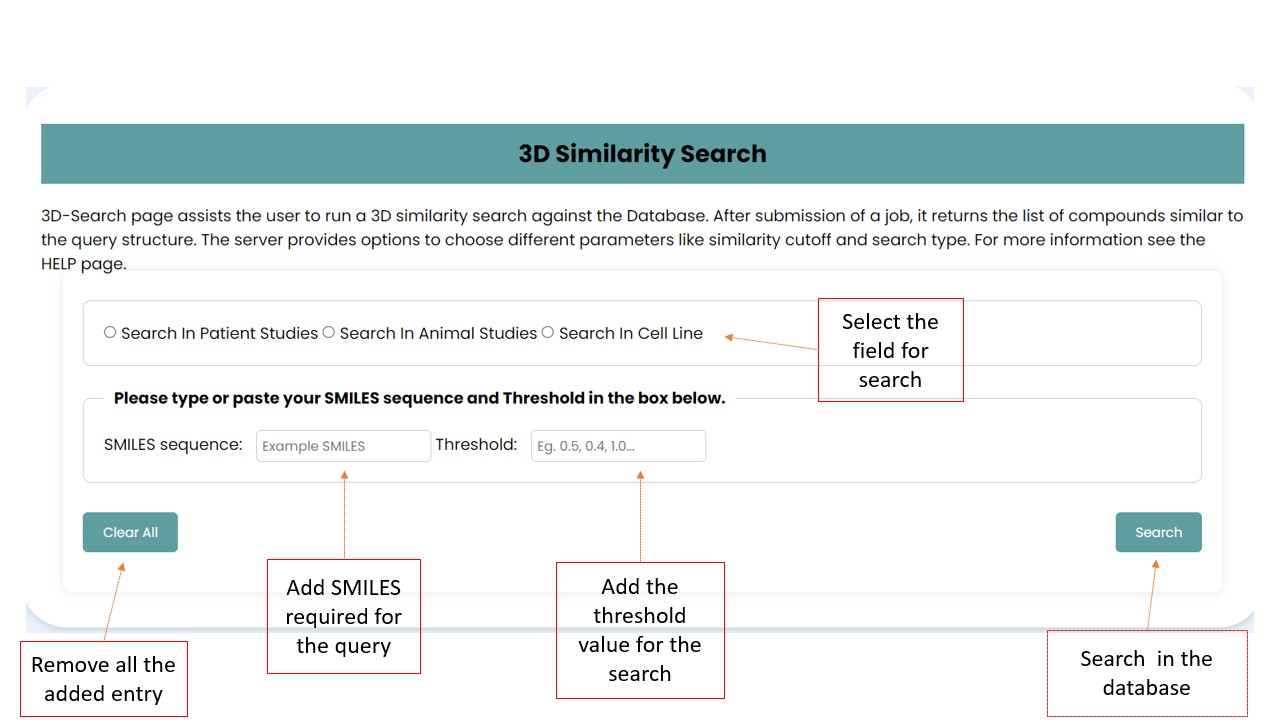
3D Similarity Search
The 3D Search page assists users in running a 3D similarity search against the database. After submitting a job, it returns a list of compounds similar to the query structure. The server provides options to select different parameters, such as similarity cutoff and search type. For more information, see the HELP page.
Search Results
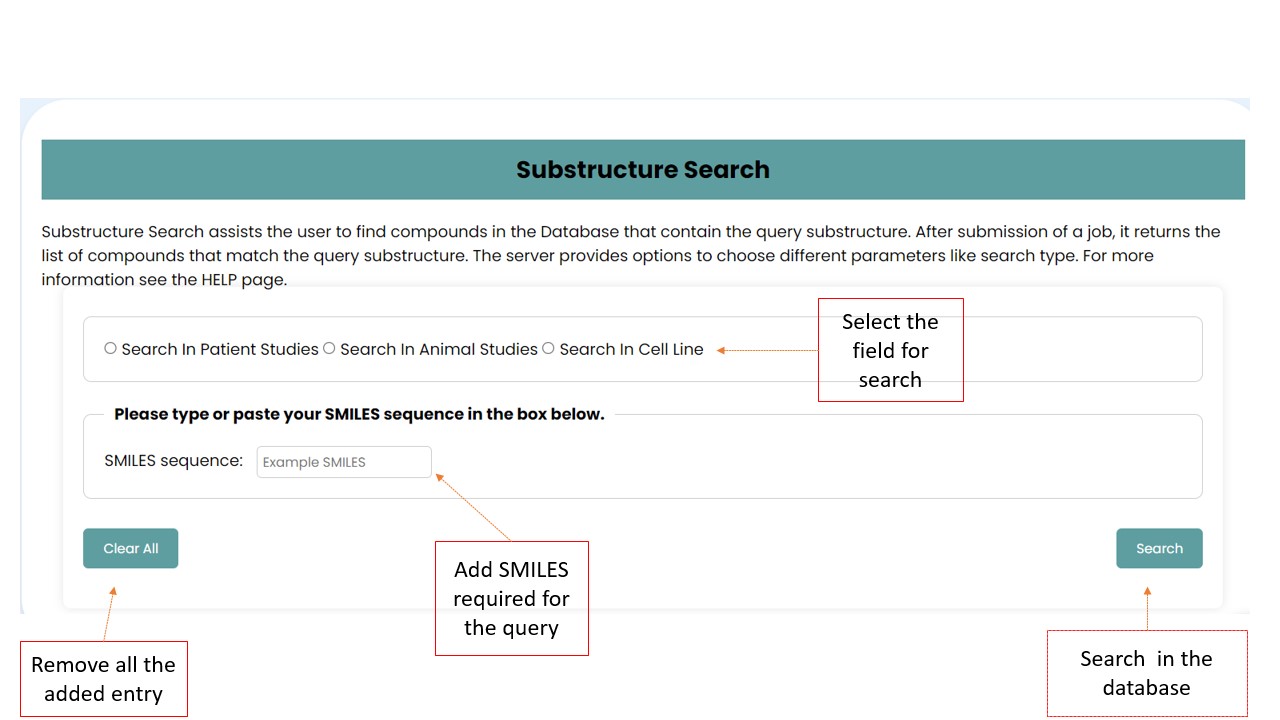
Substructure Search
The Substructure Search page helps users find compounds in the database that contain the query substructure. After submitting a job, it returns a list of compounds that match the query substructure. The server provides options to select different parameters, such as search type. For more information, see the HELP page.
Search Results
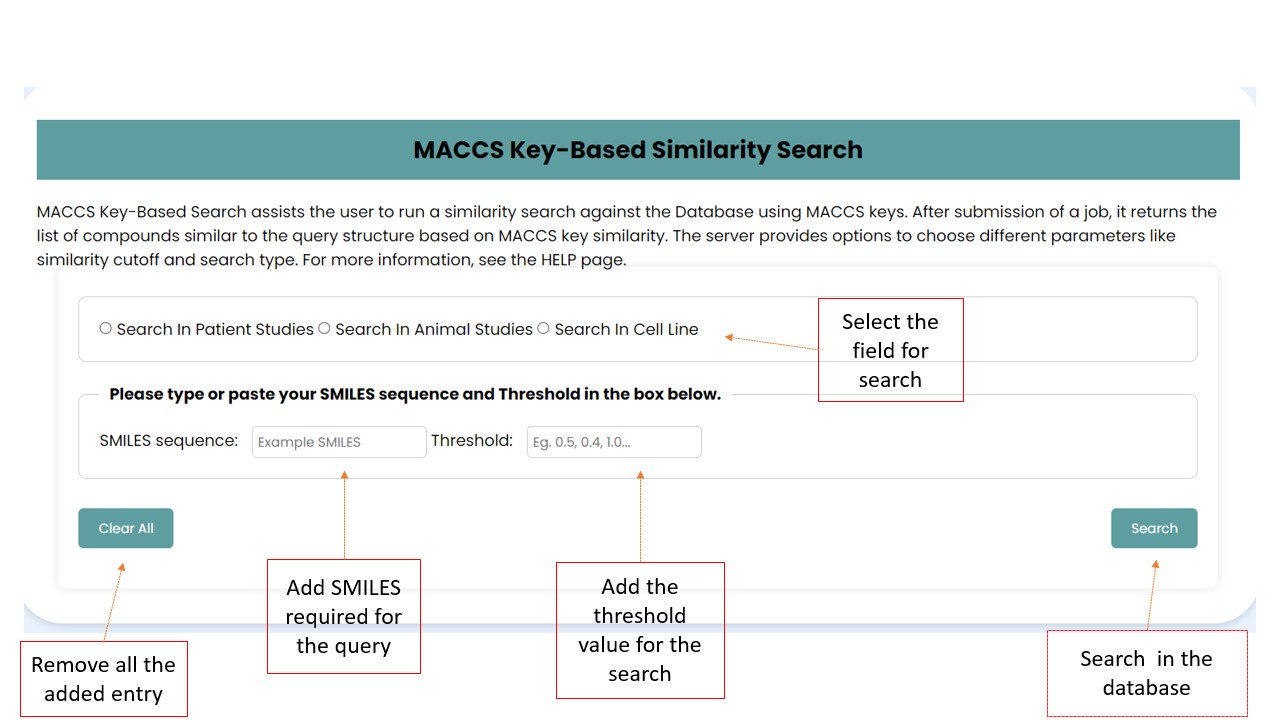
MACCS Key-Based Similarity Search
The MACCS Key-Based Search page helps users perform a similarity search against the database using MACCS keys. After submitting a job, it returns a list of compounds similar to the query structure based on MACCS key similarity. The server provides options to select different parameters, such as similarity cutoff and search type. For more information, see the HELP page.
Search Results
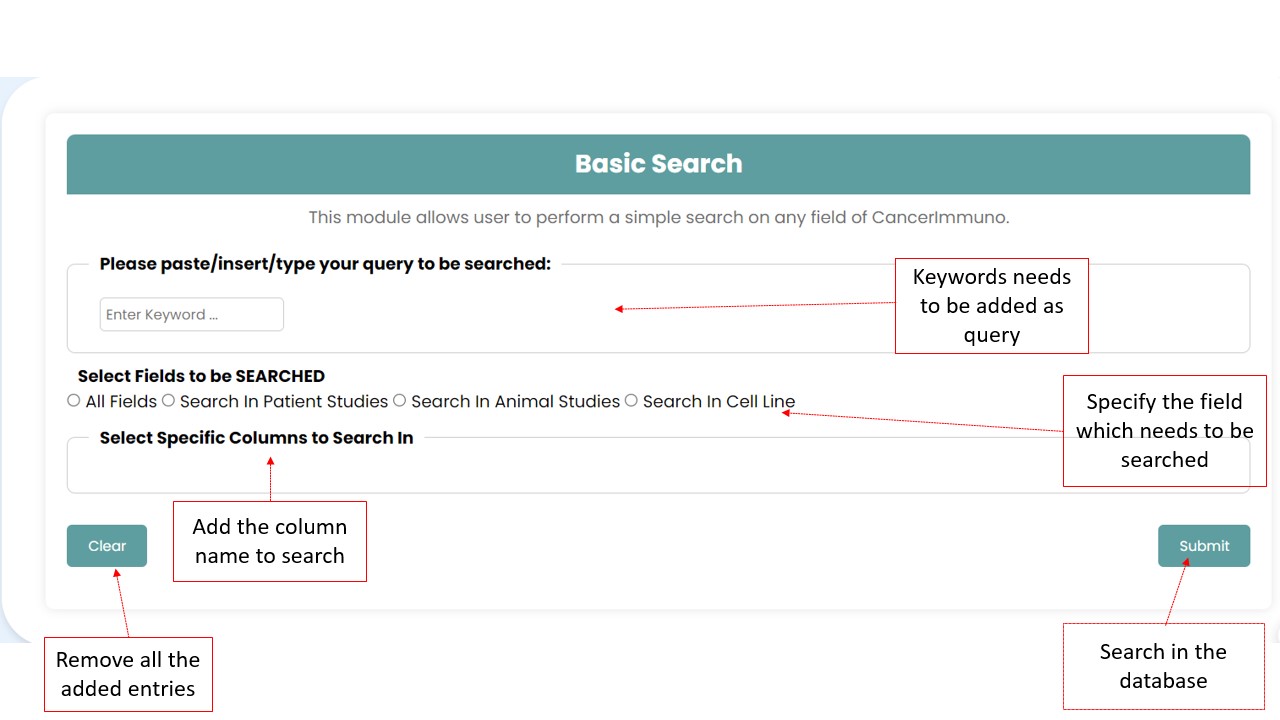
Basic Search
This module allows users to perform a simple search on any field within the CanImmDB. For more information, see the HELP page.
Welcome to Browse by Drug Category Page of CanImmDB
This page provides the information regarding the immunomodulatory properties of anticancer drugs/agents in different Drugs.
| Drug Category | Number of Cell line | Number of Animal Studies | Number of Patient Studies |
|---|
Welcome to Browse by Technique Category Page of CanImmDB
This page provides the information regarding the immunomodulatory properties of anticancer drugs/agents in different Techniques.
| Technique | Number of Cell line | Number of Animal Studies | Number of Patient Studies |
|---|
Welcome to Browse by Cancer Type Category Page of CanImmDB
This page provides the information regarding the immunomodulatory properties of anticancer drugs/agents in different cancer types.
| Cancer Type | Number of Cell line | Number of Animal Studies | Number of Patient Studies |
|---|
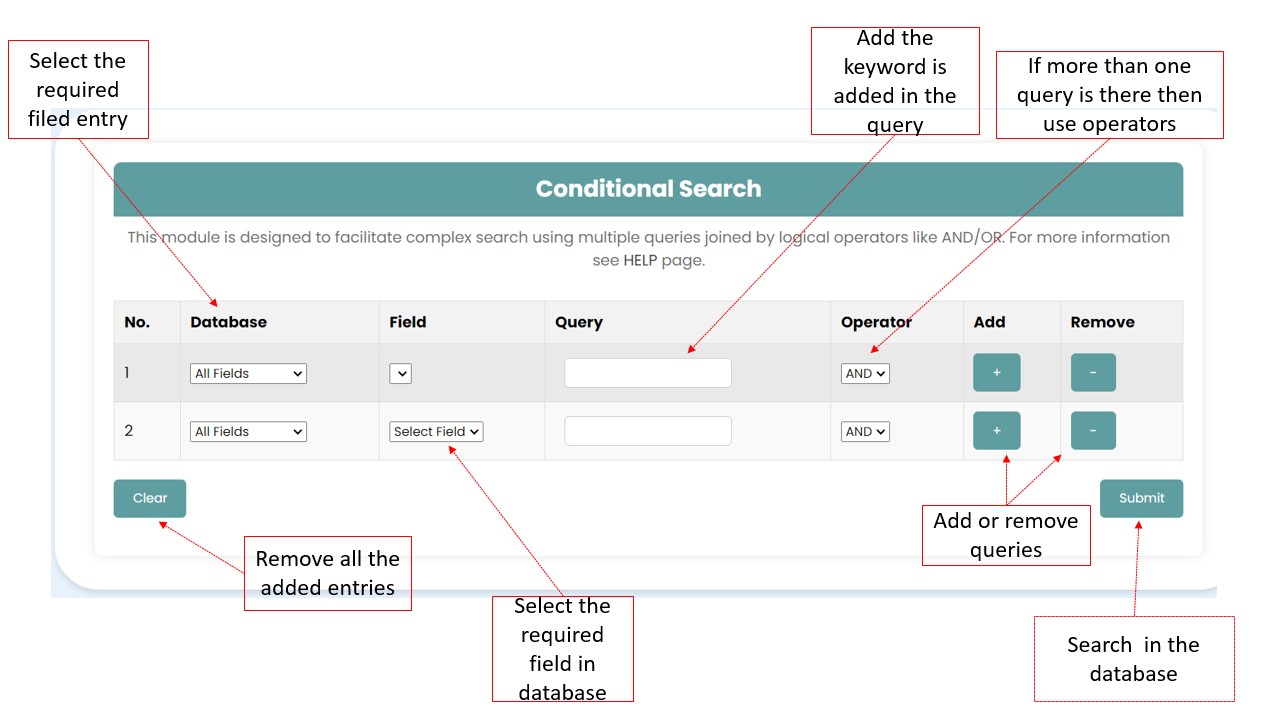
Conditional Search
This module is designed to facilitate complex searches using multiple queries combined with logical operators such as AND/OR. For more information, see the HELP page.